







Search Results for: goat-hoof bean
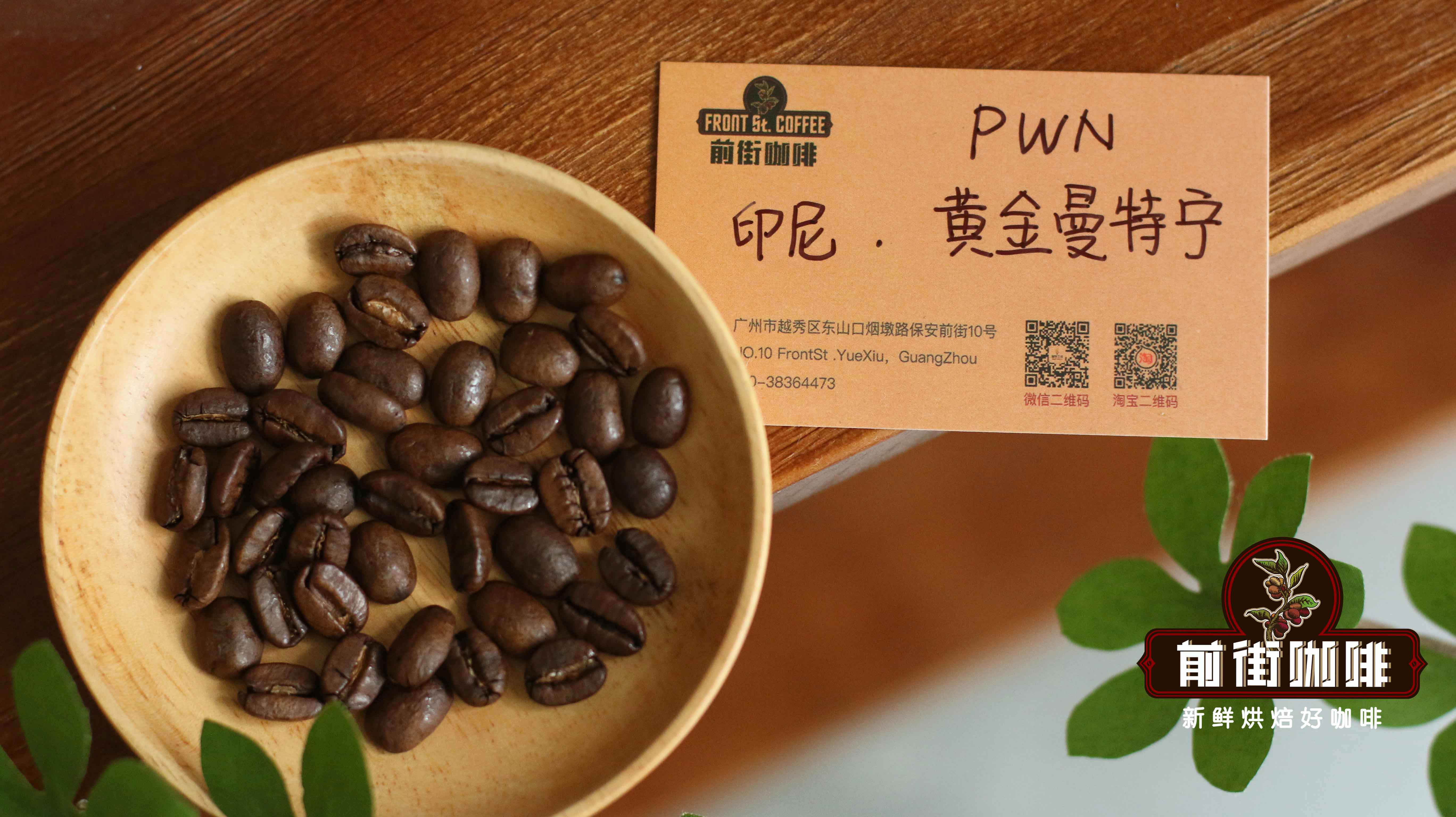
The Difference Between Indonesian Mandheling and Golden Mandheling: PWN Certification, Sorting Process, and Price Factors Explained
Golden Mandheling is a highly respected name in the coffee world, yet few people have actually tasted the authentic version. The market is flooded with all kinds of coffee beans marketed under the banner of "Golden Mandheling," with prices varying widely from high to low, making it difficult for consumers to tell them apart. This article will walk you through the origins of Golden Mandheling—it is not simply about "large beans and few defects," but rather stems from the strict standards of Indonesia's PWN green bean company. We will also analyze PWN's five-stage screening process, the goat-hoof bean problem caused by the wet-hulling method, and why authentic Golden Mandheling commands a higher price than ordinary Mandheling. At the same time, Front Street Coffee will share how to distinguish the genuine article through certificates and burlap sack numbers, along with hand-brewed flavor notes for PWN Golden Mandheling, to help you make a wiser decision when purchasing. [more…]
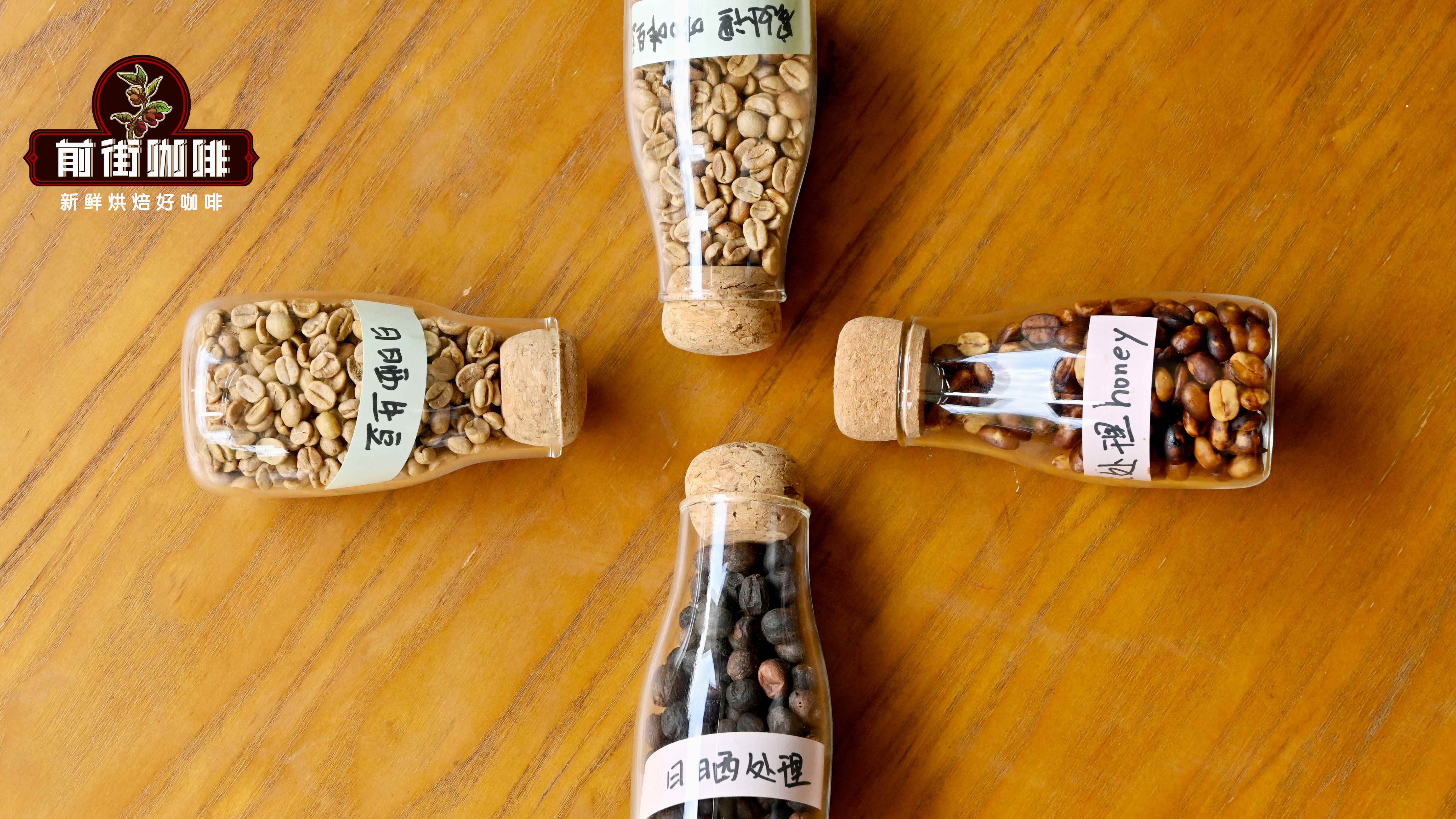
An Analysis of the Wet-Hulling Process of Indonesian Golden Mandheling: From Semi-Washed Processing to the Signature Goat-Hoof Bean Feature
The coffee processing method determines the flavor direction of green beans. Among the three major categories of natural, washed, and semi-washed, the Indonesian island of Sumatra, due to its year-round humid climate, developed a unique wet-hulling method—removing the parchment layer while the bean's moisture content is still as high as 30% to 35%, leaving the green beans exposed to continue drying. This locally adapted craft shortens the fermentation period and reduces acidity, yet enhances body, and gives Mandheling its "taste of place" woven with herbal, woody, and caramel notes. Front Street Golden Mandheling is precisely made using this method, undergoing three hand-sortings and one machine-sorting, resulting in an extremely low defect rate and a clean, pure taste. This article will detail the seven steps of the wet-hulling method and explain why the distinctive "sheep-hoof" appearance of wet-hulled beans should not be considered a defect. [more…]
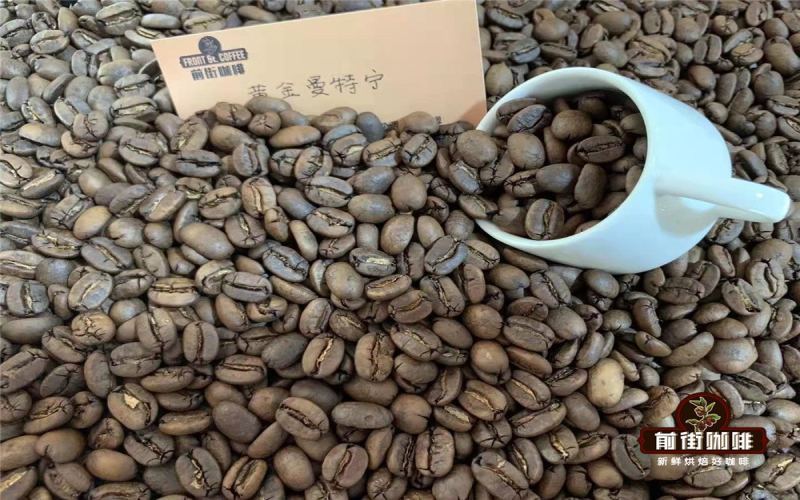
A Complete Guide to Indonesia's Wet-Hulling Method: The Craft Characteristics and Flavor Origins of Mandheling Coffee
Indonesian Mandheling coffee is renowned worldwide for its full body, low acidity, and herbal spicy flavors, and behind this lies a unique processing method—wet hulling. This article will take an in-depth look at the origins and background of wet hulling, its specific operational process, and analyze how it shapes the signature pine, nut, and chocolate notes of Mandheling coffee. At the same time, we will also compare the regional differences and quality characteristics of Lintong Mandheling and Golden Mandheling, and share Front Street Coffee's brewing parameters and recommendations, helping coffee lovers fully understand the unique charm of this representative Asian coffee. [more…]
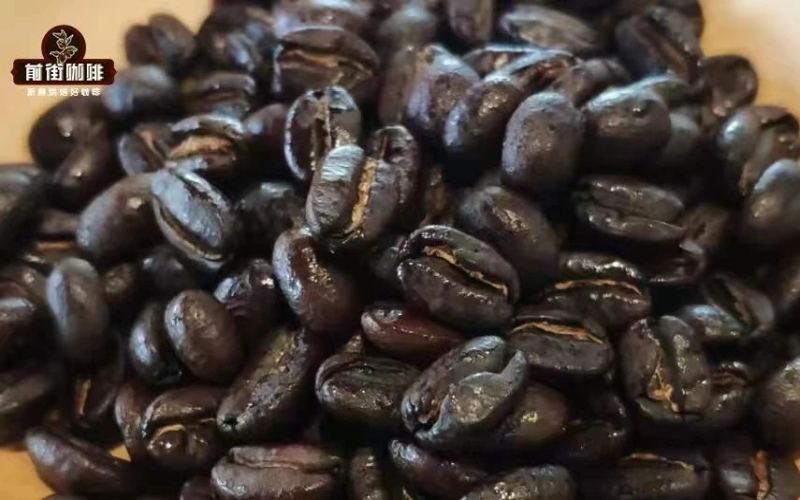
Analysis of Why Mandheling Coffee Beans Become Oily: PWN Golden Mandheling vs. Gayo Mountain Triple Hand-Sorted Beans
When coffee beans develop an oily sheen on their surface, is it a quality problem or a normal phenomenon? Starting from a comparison between Front Street's PWN Golden Mandheling and Indonesia's Gayo Mountain triple hand-sorted Mandheling, this article provides a detailed analysis of the strict screening standards for Golden Mandheling, the goat-hoof bean problem caused by the wet-hulling process, and the differences between the two beans in variety, cleanliness, and flavor. It also delves into the relationship between coffee bean oil production, roast level, and carbon dioxide release, and includes Front Street's roasting records, cupping comparisons, and KONO dripper brewing insights, helping coffee enthusiasts fully understand the characteristics of Mandheling coffee beans and the science behind oil production. [more…]
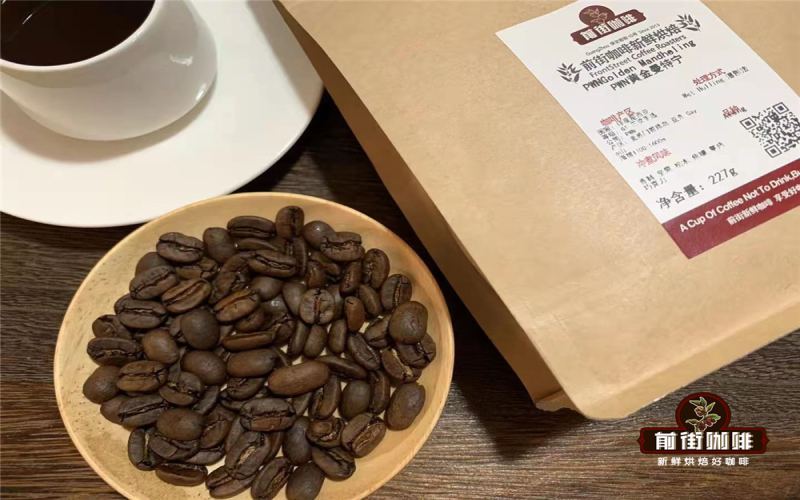
Indonesian Mandheling Coffee Grade Analysis: Flavor Differences Between Lintong and Golden Mandheling and Brand Recommendations
Mandheling is the iconic representative of Indonesian coffee, known for its rich and masculine taste. Front Street Coffee's everyday Mandheling and Golden Mandheling are deeply favored by enthusiasts. This article systematically sorts out the differences between Lintong Mandheling and Golden Mandheling from producing region distribution, origin of the name, variety characteristics, and processing methods, explains in detail how the Ateng variety and wet-hulling process shape the flavor, and includes Front Street's brewing parameters and flavor description, helping readers fully understand what grade this coffee named after an ethnic group actually belongs to, and which brand's flavor performance is more worth trying. [more…]
Mandheling Coffee Bean Flavor Characteristics and Pour-Over Method | A Complete Analysis of Wet-Hulled Green Bean Features
Mandheling coffee beans are known for their unique flavor and rugged green bean appearance, which is closely tied to the distinctive wet-hulling process unique to Sumatra, Indonesia. This article will provide a comprehensive interpretation of Mandheling coffee beans' characteristics, from green bean appearance, processing methods, and the origins of their flavor to identifying defective beans, and share practical methods for pour-over Mandheling. It will also introduce Front Street Coffee's recommendations and selection experience for Mandheling beans, helping coffee enthusiasts gain a deeper understanding of this classic coffee's unique charm. [more…]
Wet-Hulled, Semi-Washed, Pulped Natural, and Honey Process: A Complete Analysis of the Flavor Differences Among Four Coffee Processing Methods
Following our previous discussion of the two major processing methods—natural and washed—this time we turn our attention to several post-harvest processes that fall between them: wet-hulled, semi-washed, pulped natural, and honey processing. How is each of these methods carried out? And what impact do they have on coffee flavor? We'll still start with the structure of the coffee cherry: from the outside in, the fruit consists of the outer skin, pulp, mucilage, parchment layer, silver skin, and the coffee bean seed itself. The core goal of all processing methods is simply to remove the outer layers and extract the seed. However, differences in the method, timing, and degree of removal lead to vastly different results in the cup. This article will break down these processing methods one by one—their procedural details, flavor tendencies, and the subtle connections between them—to help coffee enthusiasts more clearly understand the key role processing plays in shaping flavor. [more…]
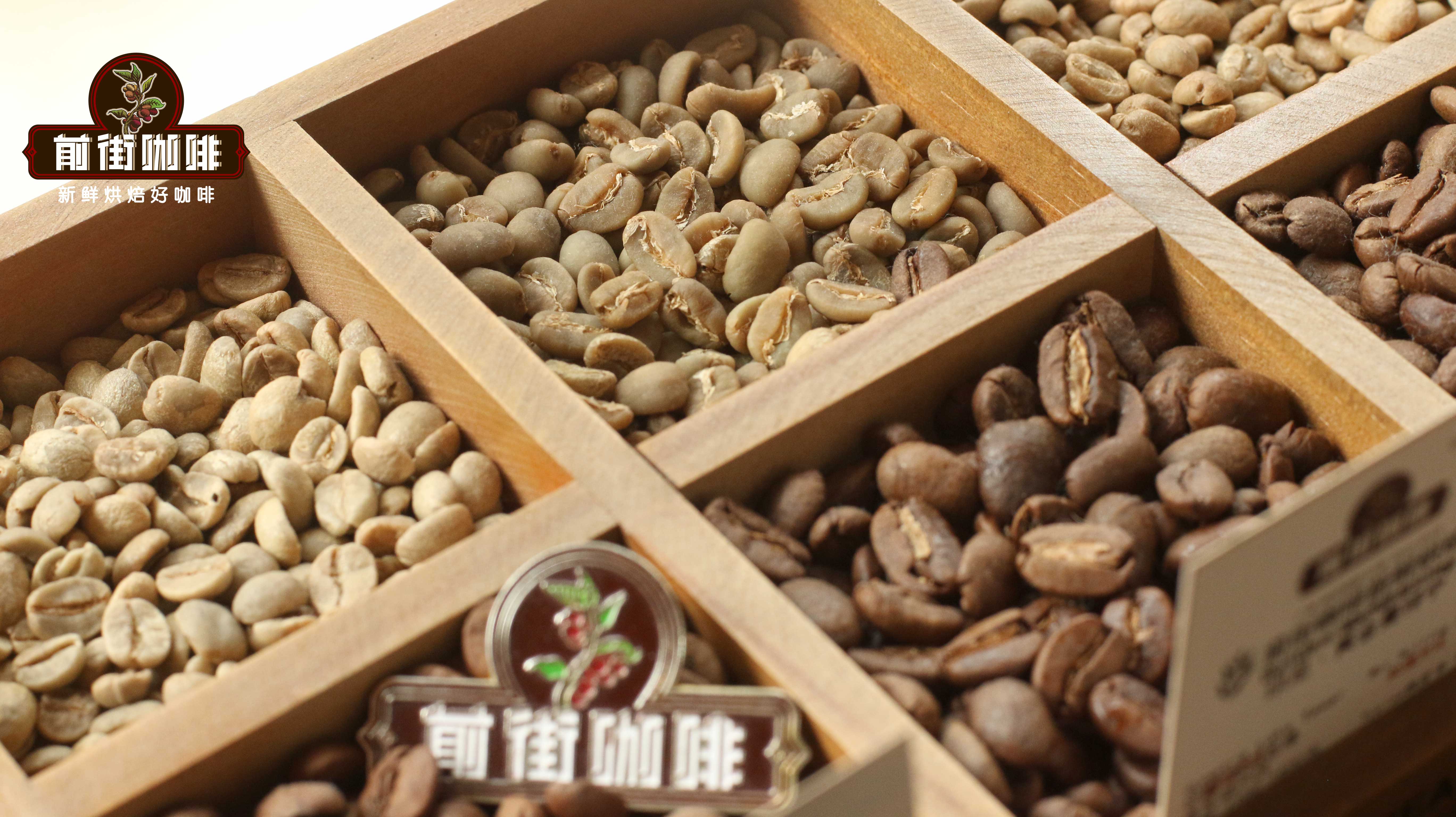
The Bitter Truth About Mandheling Coffee and Brewing Techniques: A Full Analysis of Sumatra Wet-Hulled Flavor
Mandheling coffee is the representative coffee of Sumatra, Indonesia, in Asia, famous for its rich, substantial body and unique herbal and chocolate flavors. Is it actually bitter? How should it be brewed to taste good? Starting from the origin background of Front Street Mandheling, this article provides a detailed analysis of the differences between the Lintong producing region and PWN Golden Mandheling, the flavor changes at different roast levels, and the complete process and flavor formation of Sumatra's wet-hulling method. Finally, using pour-over as an example, it gives specific brewing parameters to help coffee lovers fully understand the character and charm of this classic coffee. [more…]
Why Is Rainforest Alliance Certified Coffee Called Frog Beans? An Analysis of the Relationship Between Blue Mountain Coffee Flavor and Certification
Have you ever heard the term "frog bean"? It doesn't refer to green coffee beans that look like frogs, nor to the "goat hoof" beans caused by Indonesia's wet-hulling process, but rather to coffee beans that have received Rainforest Alliance certification—because the logo of this certification is a red-eyed tree frog. The Rainforest Alliance was founded in 1987 and is an international non-profit organization operating at the intersection of agriculture, forestry, and business. Its certification focuses on whether farms adopt sustainable agriculture and natural resource management practices, with a particular requirement that coffee be grown under the shade of native forest trees using traditional farming methods. Coffee beans that pass certification may use the Rainforest Alliance logo and gain priority sales channels. However, certification does not necessarily mean the flavor is outstanding; it mainly evaluates the growing environment. The Blue Mountain coffee currently sold by Front Street Coffee is the only bean it offers with this certification, and within the Blue Mountain region, only Clifton Mount Estate holds the certification. Let's now take a closer look at frog beans, the Rainforest Alliance, and the flavor performance of Front Street Coffee's Blue Mountain. [more…]
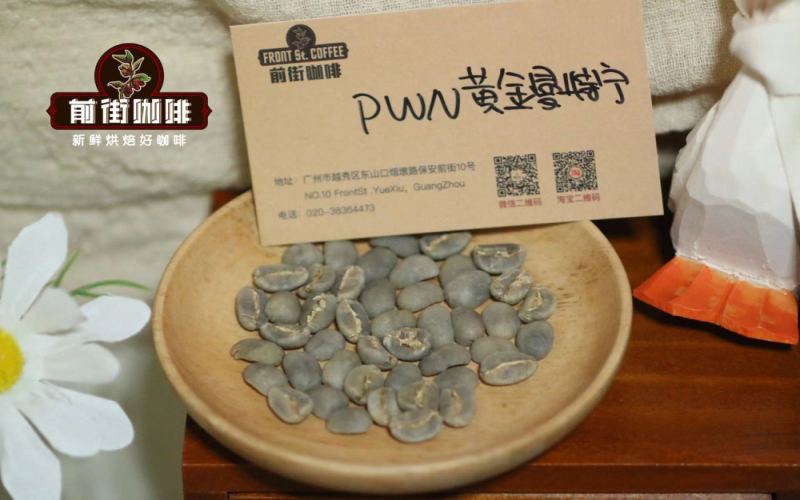
Indonesian Mandheling Coffee Bean Variety | Is PWN Golden Mandheling Arabica Coffee? Which Is Better for Brewing Golden Mandheling: Pour-Over, Siphon, AeroPress, or French Press?
For more specialty coffee knowledge, please follow the WeChat official account: Front Street Coffee (FrontStreet Coffee). Mandheling is a coffee produced in Sumatra, Indonesia, Asia, so it is also called Sumatra coffee. Its main producing areas include Java, Sulawesi, and Sumatra. [more…]
Does Mandheling coffee belong to Robusta or Arabica? A complete guide to varieties and brewing methods from Sumatra, Indonesia
Mandheling coffee is a representative coffee of Sumatra, Indonesia, but many people are not clear about its variety classification, processing method, and brewing method. Starting from the producing region, variety, and wet-hulling process, this article explains in detail whether Mandheling belongs to Robusta or Arabica, and compares the differences between two Front Street Coffee Mandheling products—Lintong Mandheling and PWN Golden Mandheling. At the same time, through cupping comparisons of light, medium-dark, and dark roast levels, as well as the practical parameters of four brewing methods—pour-over, AeroPress, siphon, and French press—it helps coffee enthusiasts fully understand Mandheling's flavor characteristics and extraction key points. [more…]
A Complete Guide to the Flavor Profile and Pour-Over Parameters of Indonesian PWN Golden Mandheling Coffee Beans
Golden Mandheling is a name familiar to many coffee lovers, but the so-called Golden Mandheling circulating on the market is hard to distinguish between genuine and fake. The real Golden Mandheling comes from the Indonesian PWN green bean company, which has an exclusive trademark and strict screening standards. This article will take you through the origins, variety characteristics, and roasting methods of PWN Golden Mandheling, as well as the pour-over extraction parameters recommended by Front Street Coffee, to help you identify authenticity and brew a cup of mellow, clean Mandheling. [more…]
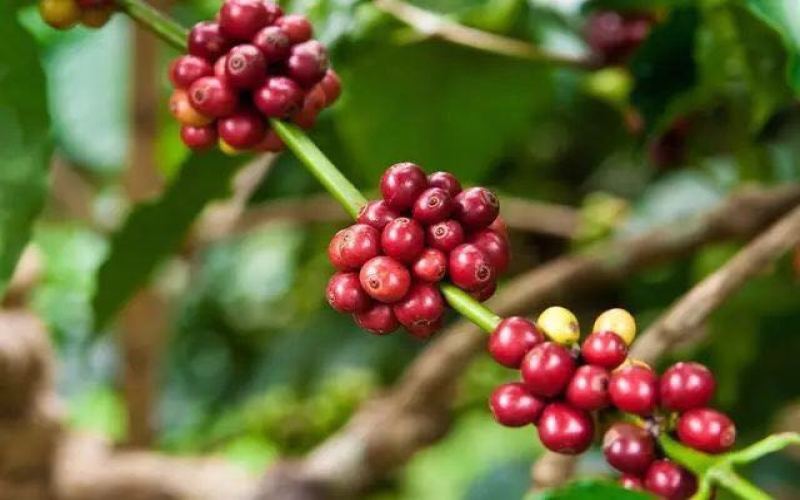
A Full Analysis of Sumatra Coffee Origins: An In-Depth Look at Mandheling Flavor Characteristics and the Wet-Hulling Process
Sumatra Mandheling stands out in the coffee world with its rich, robust body. Even today, when fruity and floral profiles dominate, it remains an irreplaceable classic in the hearts of connoisseurs. This article will guide you through the growing environment of Sumatra coffee, the varietal origins of Mandheling and its unique wet-hulling process, analyze the flavor differences between Golden Mandheling and Lintong Mandheling, and share Front Street Coffee's brewing parameters and bean-resting recommendations, offering a comprehensive understanding of the world's fullest-bodied coffee. [more…]
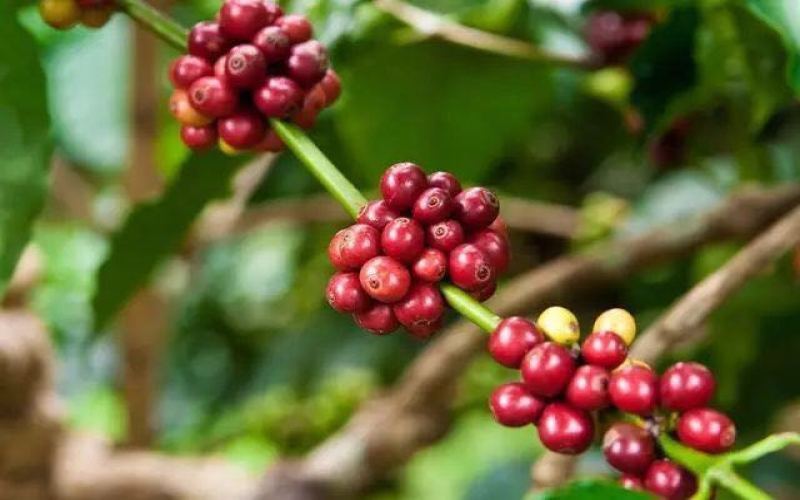
A Complete Guide to Sumatra Mandheling Coffee Bean Varieties, Pour-Over Extraction Temperature Parameters, and Flavor Characteristics
Mandheling is a classic name that coffee enthusiasts cannot avoid; it is neither a variety nor a producing region, but the name of an ethnic minority from the northern highlands of Sumatra. This article begins with the origin of the name Mandheling and the geography of the Sumatra producing region, sorts out the differences among sub-regions such as Lintong, Lake Toba, Lake Tawar, and the Gayo Mountains, explains how the wet-hulling process creates the signature goat-foot bean appearance, and clarifies the actual meanings of the Indonesian coffee varieties TimTim and Ateng. The article also fully shares Front Street Coffee's pour-over parameter system, covering water temperature, grind size calibration, coffee-to-water ratio selection, and the three-stage pouring steps. Finally, it summarizes the flavor profiles of Golden Mandheling and Lintong Mandheling, making it suitable reading for coffee enthusiasts who want a systematic understanding of Mandheling. [more…]
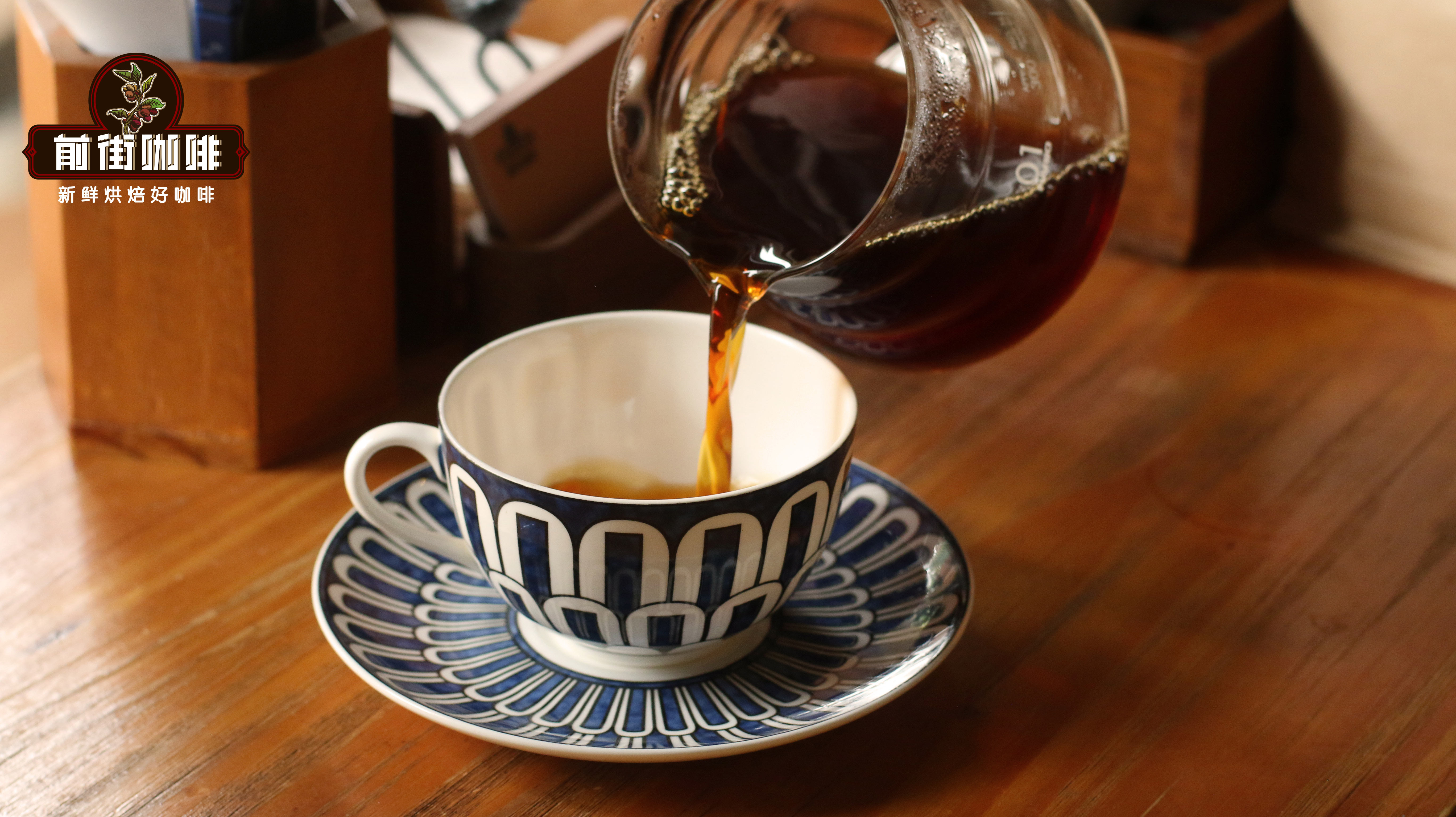
In-Depth Comparison of Blue Mountain and Golden Mandheling: A Comprehensive Analysis from Variety and Origin to Brewing Flavor
Blue Mountain coffee and Golden Mandheling are both representative coffees known for their low acidity, yet they have vastly different origins and flavor profiles. The former comes from the high-altitude Typica variety of Jamaica and is renowned for its balance and elegance; the latter is rooted in Sumatra, Indonesia, and achieves its full-bodied, low-acid herbal style through the unique wet-hulling process. From the perspective of Front Street Coffee's selection approach, this article systematically reviews the variety characteristics, regional backgrounds, processing methods, and brewing recommendations of both, and explains in detail the trademark origins and grading standards of Golden Mandheling, helping coffee enthusiasts understand the essential differences and respective charms of these two classic coffees. [more…]
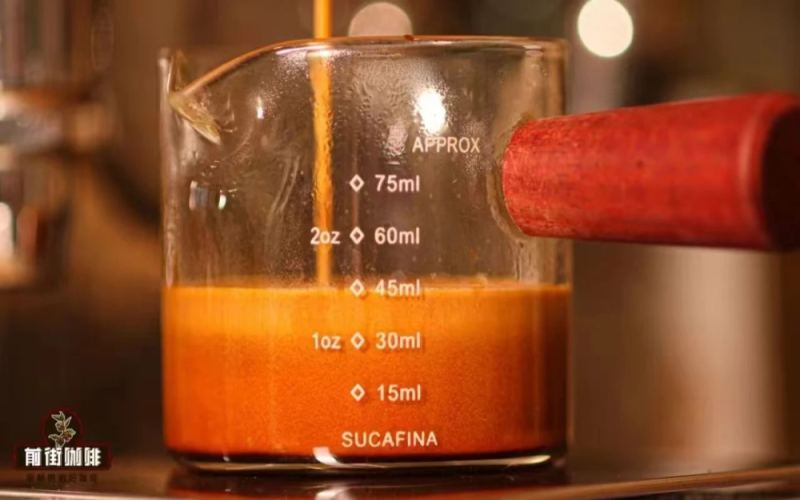
What is Mamba Coffee? Exploring the Blend of Mandheling and Brazilian Bourbon: Flavor and Price
Mamba coffee is a classic blend of Indonesian Mandheling and Brazilian coffee. With its rich, full-bodied taste and balanced flavor, it has become a highly popular recipe in espresso. This article will analyze in detail the respective characteristics of Lintong Mandheling and Brazilian Red Bourbon, from origin, growing environment, and processing method to flavor performance, and share Front Street Coffee's brewing suggestions and latte-making experience using these two beans in a 1:1 blend. At the same time, we will also discuss whether Mamba coffee beans are expensive, and how Front Street's classic espresso blend enhances crema richness by adding Robusta, providing coffee lovers with a comprehensive reference. [more…]
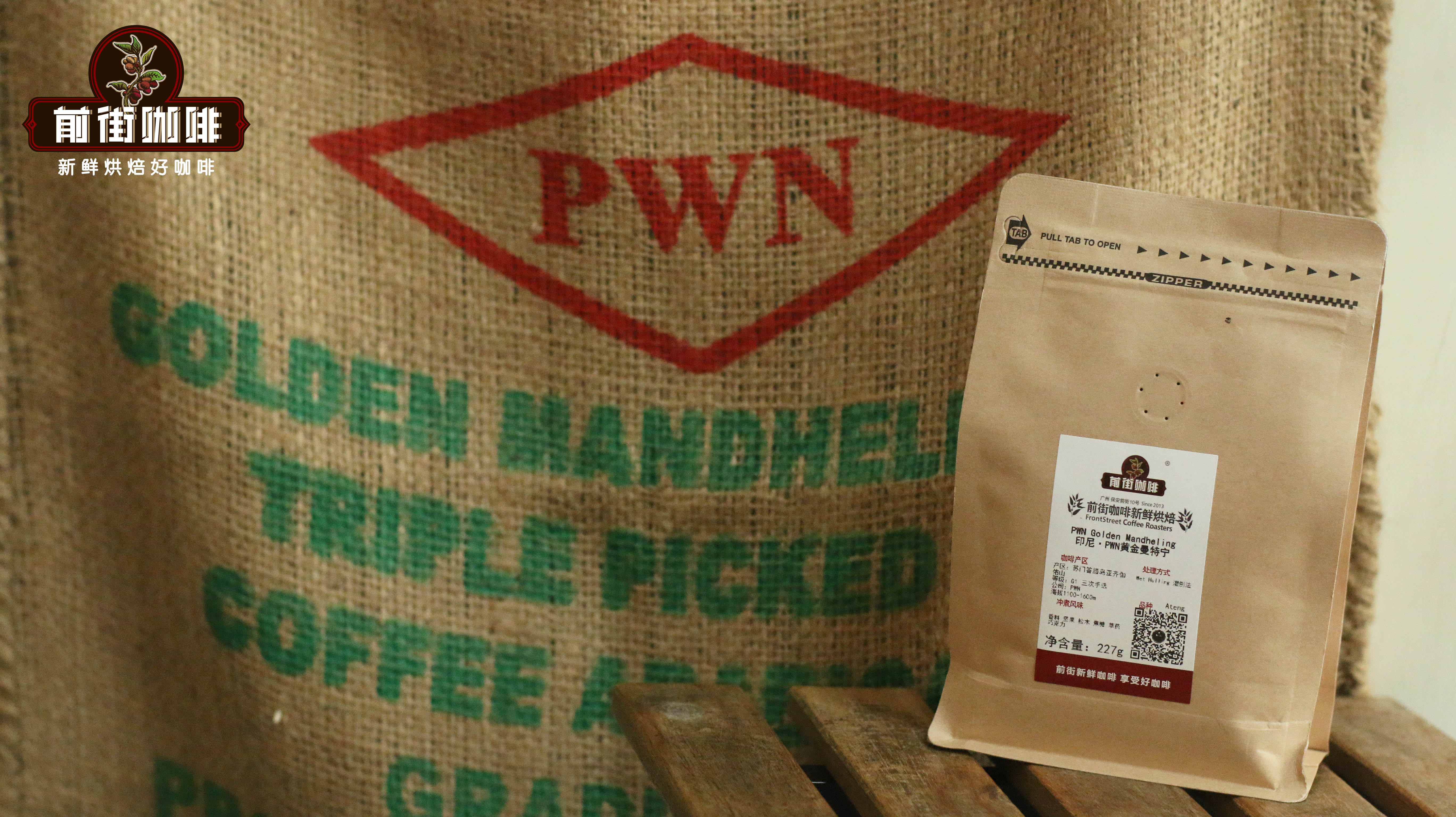
Why Mandheling Coffee Got Its Name: A Comprehensive Interpretation from the Origin of the Name to Flavor Characteristics and Suitable Drinkers
Mandheling coffee is a classic representative among Asian beans, yet an interesting misunderstanding lies behind its name. This article will take you back to the origins of the name Mandheling, explore the producing regions, varieties, processing methods, and flavor differences between Front Street Mandheling and Golden Mandheling, and analyze exactly what kind of people this rich, full-bodied coffee suits. From Lintong to Lake Toba, from wet-hulling to the goat-hoof bean characteristic, and on to Front Street's roasting and brewing parameters, we'll explain the complete picture of Mandheling in one go. [more…]
Flavor Analysis of the Top Ten Popular Coffee-Producing Countries: A Practical Guide from Bean Selection to Brewing
Faced with a dazzling array of coffee beans, many friends who are just getting into specialty coffee habitually rely on brand rankings to make decisions. But Front Street Coffee believes that a high or low ranking does not directly equate to superior or inferior quality—what truly matters is the freshness of the beans, their origin characteristics, and their processing method. Starting from the key points of selecting fresh coffee beans, this article sorts through the flavor characteristics of major producing regions one by one, including Ethiopia, Kenya, Panama, Colombia, Costa Rica, Indonesia, Yunnan in China, and Jamaica, and combines Front Street Coffee's specific products and brewing methods to help readers build their own bean-selection logic and find the cup that truly suits their taste. [more…]
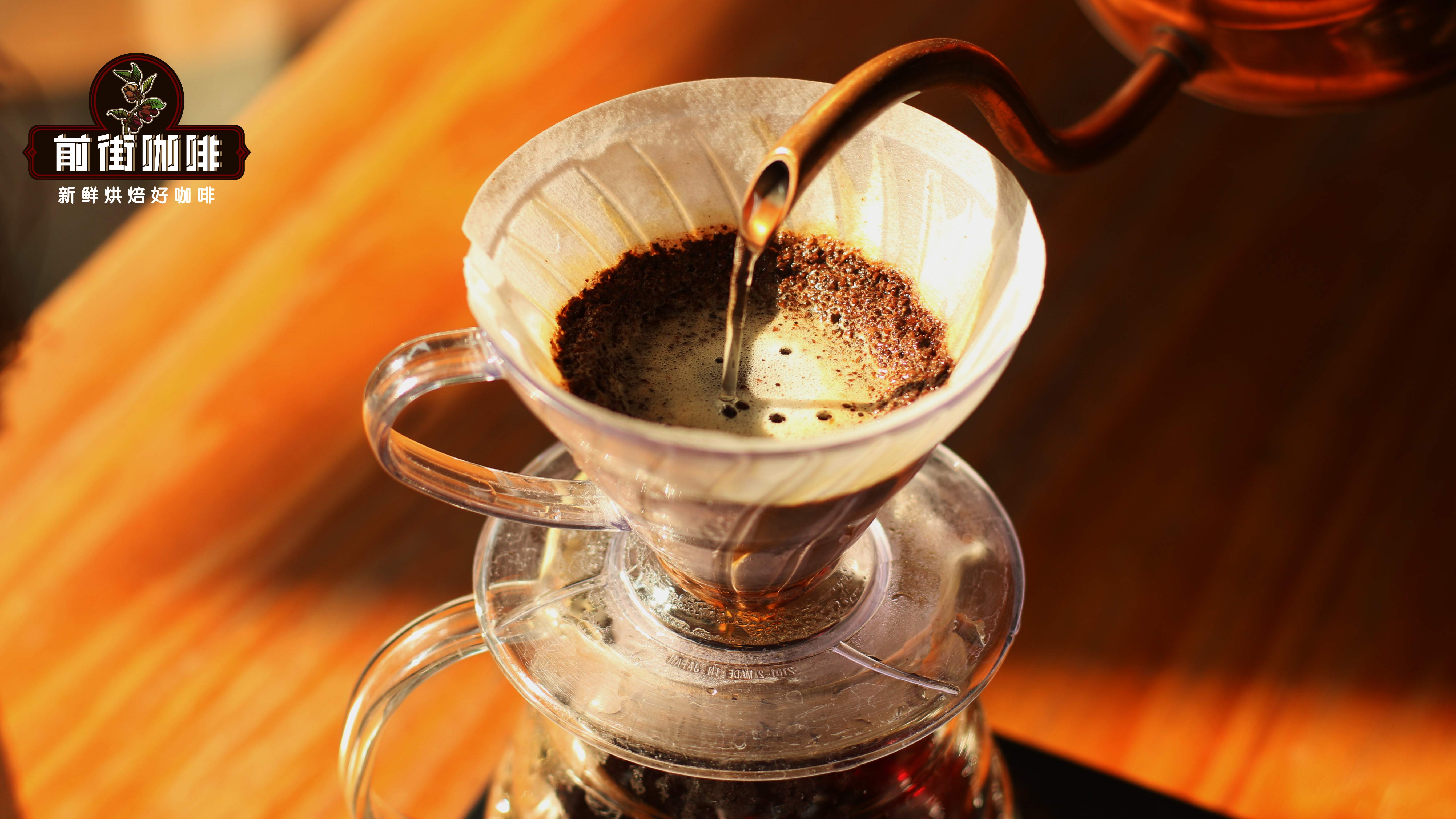
A Detailed Guide to the Seven Key Factors in Pour-Over Coffee Flavor Control and Brewing Practice
Pour-over drip extraction occupies a central position in single-origin coffee brewing, and a good cup of pour-over coffee can present rich layers of acidity, aroma, sweetness, and bitterness. So behind the seemingly simple act of pouring water, what variables are actually influencing the final flavor expression? This article will systematically sort out the seven key factors affecting pour-over coffee, from water volume distribution, blooming technique, circling speed, pouring height, and flow rate to circling range, analyzing one by one their specific effects on extraction. At the same time, Front Street Coffee will also share three highly recognizable single-origin beans from different regions and their brewing parameters, helping coffee lovers build a flavor cognition system through practice. [more…]
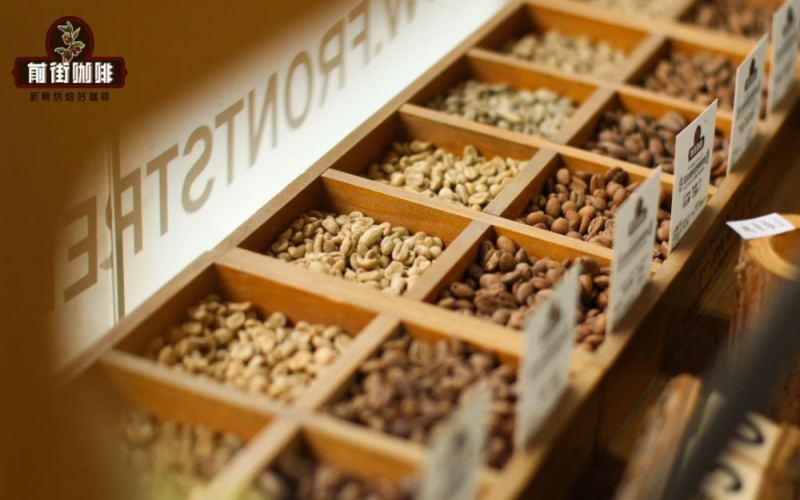
A Complete Guide to Sumatra Mandheling Coffee: Flavor and Mouthfeel Comparison of Golden, Lintong, Tiger, Aged, and Natural
Sumatra Mandheling coffee from Indonesia is famous for its low acidity, full body, and herbal and spicy notes, making it a favorite among many seasoned coffee enthusiasts. Front Street Coffee currently offers five Mandheling coffees, including Golden Mandheling, Lintong Mandheling, Tiger Mandheling, Aged Mandheling, and Sun-Dried Mandheling, each with distinctly different flavor profiles and processing details. This article will outline the regional context of Sumatra coffee, unravel the connection between Golden Mandheling and PWN Company, explain how the wet-hulling process shapes Mandheling's signature mouthfeel, and introduce the origin, variety, processing method, and cupping performance of each of the five beans one by one, finally attaching Front Street's brewing parameter recommendations for coffee enthusiasts' reference. [more…]